| |
Fall is here and it is time for the latest issue of Legacy News! We hope you will find the articles helpful.
Find out how women are changing the philanthropy landscape. Learn about tax-wise planning strategies and year-end gifting opportunities that allow you to make a meaningful charitable gift while potentially enhancing your own, and your family’s future financial well-being.
See why supporter, Mark Hanneke is standing up to be there for the Red Cross by joining the Red Cross by joining the Legacy Society. And if you have a personal Red Cross story, we hope you will share it!
Rebecca Locke
Executive Director, Gift Planning
American Red Cross
Rebecca Locke
Executive Director, Gift Planning
American Red Cross
|
| |
|
 |
| |
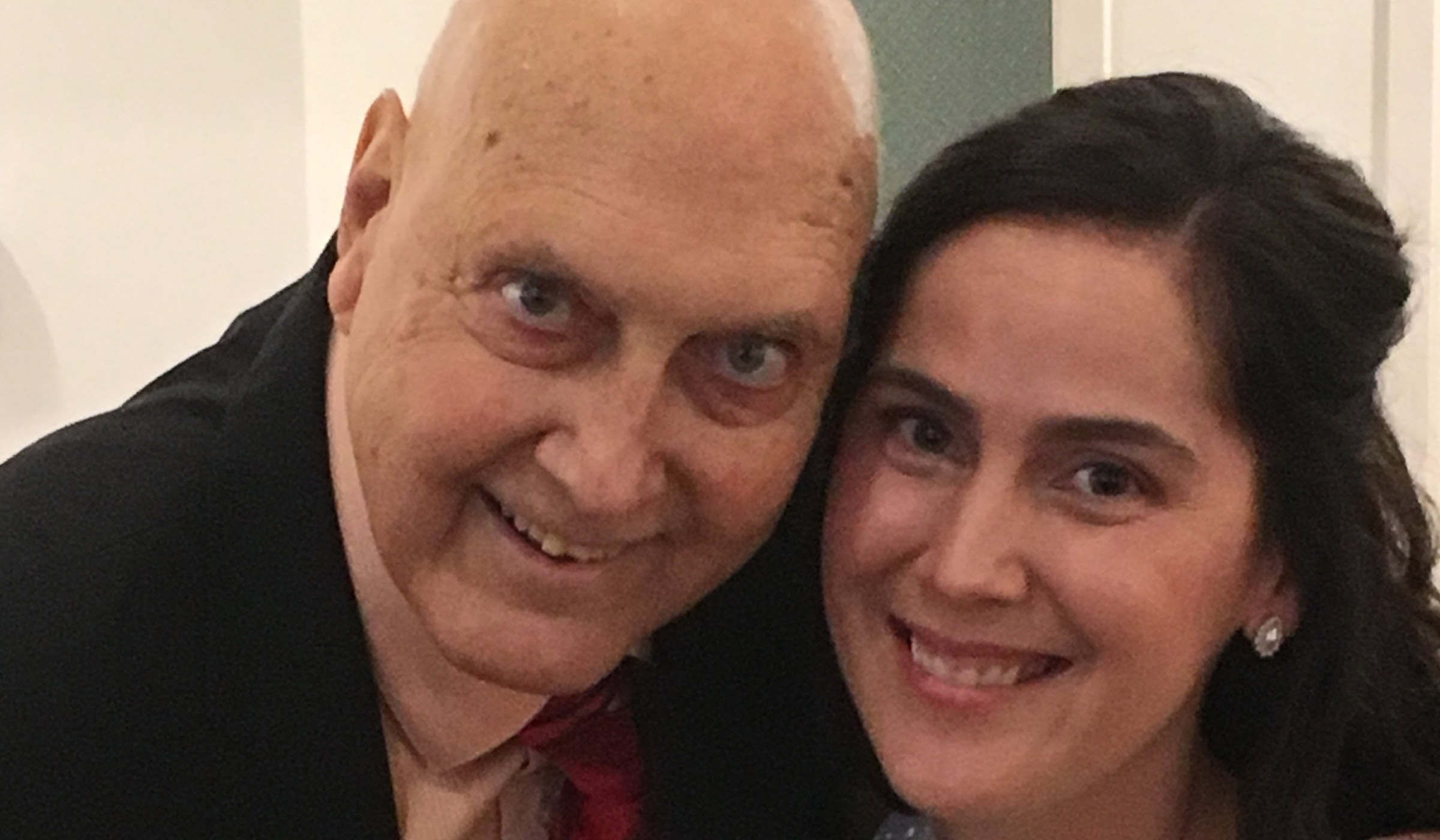
Mark Hanneke: Legacy Society Member Paying It Forward
Long-time supporter, Legacy Society member and cancer fighter, Mark Hanneke discusses with us why he chose to ultimately establish charitable gift annuities to support the life-saving mission of the Red Cross. “I do not have the resource of time and energy that the Red Cross needs year-round, especially during natural disasters that seem to occur in higher numbers,” Mark says. “It is always so inspiring to me to see how Americans in great number choose to help fellow Americans in their time of tremendous need.” Mark felt compelled to continue to help the cause by the means available to him, through his financial resources. “I believe strongly that charitable gift annuities are an easy way for anyone 65 and over to establish estate and retirement planning. I consider it a Win-Win situation for both Red Cross and you.” Mark continues, “It is quite an attractive rate considering you get an immediate tax deduction for the year of the contribution.”
Mark’s Red Cross story begins early in life, as many of our supporters do. The American Red Cross has always been there for him. In fact, Red Cross was there even before Mark was born, for his father as a WWII Marine in the Pacific, providing supplies to help troops feel connected to home.
As an eight-year old in 1960 Mark received swimming lessons through his local swimming club. “My Red Cross swimming lessons that year were instrumental for me to become a competitive swimmer the next year all the way through my college years,” Mark says. He remembers receiving life-saving certifications as a teacher, coach and water safety instructor.
Later, Mark began to pay it forward to the organization that had always been there for him by donating blood every 8 weeks for 11 years from age 21-32. “I humbly consider this my greatest achievement to humankind. I feel that it may have saved some lives and helped heal many,” he proudly states. “You give a part of yourself when healthy to help others in their time of need.”
Again, the Red Cross was there for Mark when he was diagnosed with stage IV non-Hodgkin’s lymphoma at 32. His battle culminated with an experimental bone marrow transplant where he required many blood transfusions. Thankfully, the blood was available for Mark because of the generous donations of individuals and the Red Cross blood collection efforts.
Amazingly, Mark enjoyed 30 years of remission until getting cancer two years ago. He continues his fight, but that doesn’t stop him from providing support to Red Cross which has always been there. “I want to stand up and be there for this amazing organization,” Mark exclaims! The Red Cross is so fortunate to have supporters like Mark - thank you for your commitment today and in the future.
If you would like information about how you can support our mission and help those in need by establishing a charitable gift annuity like Mark Hanneke has done, please contact the Gift Planning Office at 1-800-797-8022, ext. 5, giftplanning@redcross.org. or log on to redcrosslegacy.org.
|
|
| |
|
 |
| |
Women as Philanthropic Leaders
Women are changing the face of philanthropy.
More women are making their own fortunes than ever before and taking charge of family philanthropy, shaping how wealth is given away. It’s no surprise since studies suggest that women are more likely than men to engage in behavior intended to benefit others, such as philanthropic giving.
Women now control more than half of the private wealth in the U.S. and make 80% of all purchases. According to Boston College’s Center on Wealth and Philanthropy, women will inherit 70% of the $41 trillion in intergenerational wealth transfer expected over the next 40 years. As women control more wealth, the face of philanthropy will continue to change.
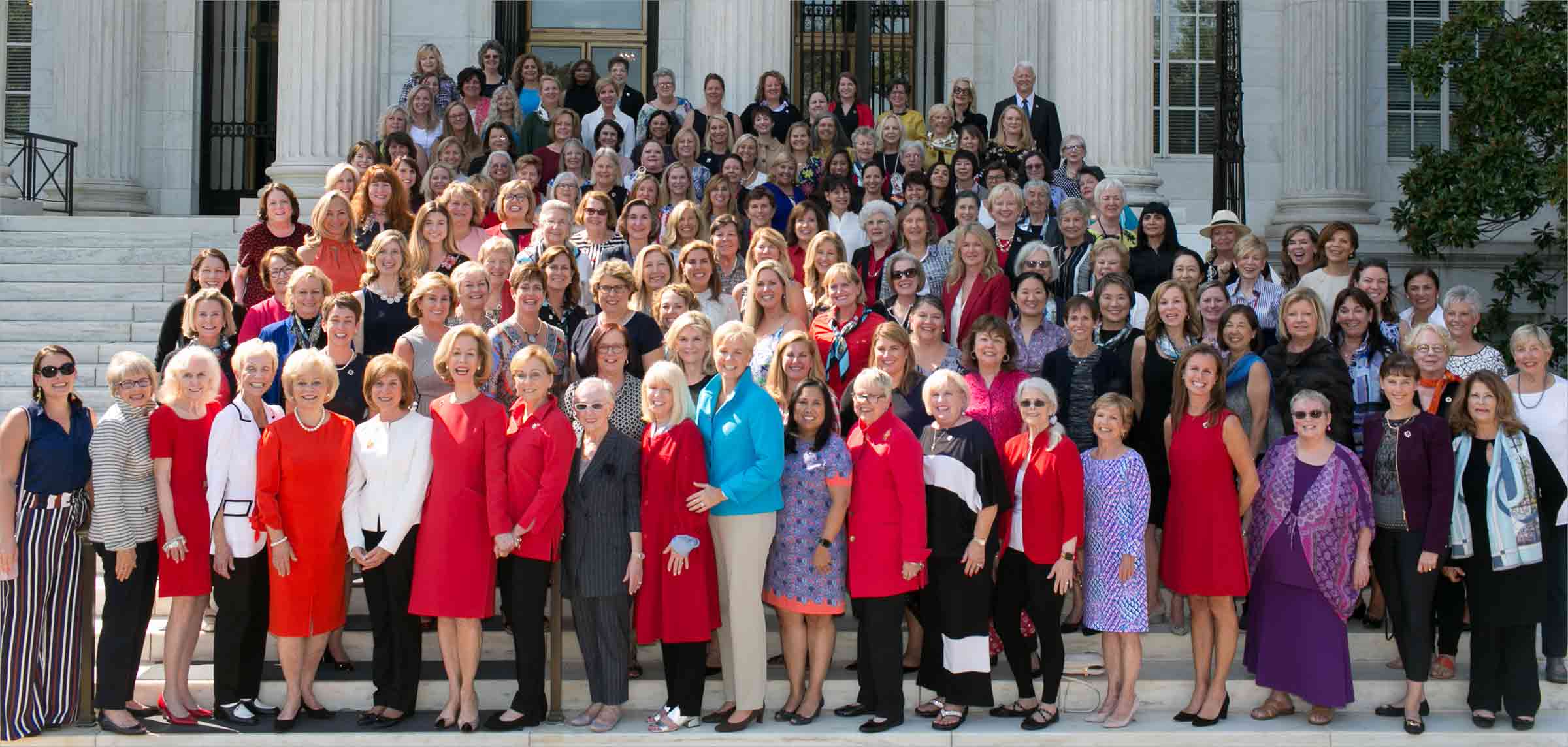
There is a rich history of high-profile women contributing generously to significant causes. Such as Melinda Gates, Susan Buffett, Alice Walton and Diane von Furstenberg just to name a few. These women have emerged as the top networkers and catalysts in modern philanthropy, bringing people and resources together for different causes. Women today are also giving more to private foundations and public charities focusing on their own programmatic priorities. For example, the Tiffany Circle is a community of women leaders who advance the Red Cross mission through focused investments of time, talent and treasure. They are sparking positive change in communities around the world. See why Tiffany Circle National Council Chair, Beth Renner supports the Red Cross mission.
As with any philanthropic decision-making process, donors need to assess the impact they wish to have and decisions about philanthropy should not be made in a vacuum. Consider the following.
Values–What has guided your previous gifts to charity? What causes excite you, and why?
Impact–Do you feel your previous gifts to charity have had the impact you desired? What impact do you want for your future gifts? What causes are philanthropic priorities, and why?
Women and Girls–Do you want to support programs that focus on women and girls? Ask the charities you wish to support if they have programs in this area. You might even want to have discussions with staff at the charity responsible for such programs.
Decision-making–Are there others you wish to involve in the decision-making process? Family members? Do they share your values? Are there other women whose opinions you respect whom you should bring into the process?
Due diligence–Who will perform the due diligence for the charities you wish to support? Does the charity have a track record for accomplishing its mission? Are funds used wisely?
Legacy–Do you desire to create a family legacy for your gifts? If so, should you make provisions in your estate plan for charitable gifts in addition to any lifetime giving?
Assets–What are your financial obligations, both currently and into the future? What amounts and assets are discretionary such that you can use those assets for gifts to charity?
Recognition–Do you wish to be recognized, or to remain anonymous? Might you want to endow a named fund?
Professional advisors–Which of your professional advisors need to be part of the decision-making process? Attorney, tax advisor, financial advisor, investment manager, others?
Whether giving a modest amount or a transformational gift, women at all economic levels can have an impact on organizations that align with their values and priorities. Moving through the decision-making process should help ensure a satisfying experience that will result in the impact you desire. Hopefully, it will be an experience you repeat many times over.
For information on how a charitable planned gift can represent your values and passions contact the Gift Planning Office at 1-800-797-8022, ext. 5, giftplanning@redcross.org.
|
|
| |
|
 |
| |
Buy Low, Give High
If you have benefitted from a rising stock market like many others, a gift of stock rather than cash to the Red Cross is a tax-saving strategy worth considering. With all the changes to the tax laws, one of the most significant tax benefits for charitable giving remains. By making a gift using appreciated securities–stocks, bonds, and mutual funds–you can completely avoid capital gains taxes and take an income tax charitable deduction for the fair market value of the shares given to charity. It’s important to follow the IRS rules to benefit from these generous tax savings.
First, you must have owned the stock, bond, or mutual fund for at least one year that has appreciated in value. IRS requires you to transfer the shares to the charity–don’t sell the shares. You avoid paying tax on the capital gain when you give the shares to the Red Cross. The Red Cross, in turn, will sell the shares and no taxes will be due on the gain as public charities are tax-exempt. Next, you can take an income tax charitable deduction for the fair market value of the shares transferred, up to 30% of your adjusted gross income, which will save you even more in taxes assuming you itemize deductions. You can carry forward any unused deduction for an additional five years.
The sample chart below shows how making a current use gift with appreciated stock can save substantially more taxes than making the same size gift with cash. The chart assumes deductions are itemized. Your tax savings will be determined by your tax bracket and capital gains tax rate.
| Cash Gift vs. Stock Gift |
| |
Cash Gift |
Stock Gift |
| a. Gift Value |
$20,000 |
$20,000 |
| b. Income tax deduction |
$20,000 |
$20,000 |
| c. Income tax saved (@ 37% rate) |
$7,400 |
$7,400 |
| d. Purchase price |
– |
$5,000 |
| e. Increase in value (a - d) |
– |
$15,000 |
| f. Tax avoided on gain (@ 20% rate) |
– |
$3,000 |
| g. Total tax savings (c + f) |
$7,400 |
$10,400 |
Perhaps you are reluctant to part with your shares of stock, anticipating the shares will continue to go up in value. Consider giving the shares you own to charity and purchasing shares of the same stock using cash, which will serve to give you a higher cost basis should you sell the shares in the future.
When considering a gift of this type you should always consult your financial and tax advisors. The IRS has provided tax incentives to encourage the philanthropically inclined to make generous gifts to charity. By taking advantage of the charitable incentives in tax laws, you will likely find that you can make a generous gift, support the Red Cross and those we serve, and reduce your tax bill all at the same time. That is how philanthropy and charities thrive.
For detailed instructions on making a gift appreciated stocks or mutual funds please go to redcrosslegacy.org/donatestock.
|
|
| |
|
 |
| |
Protecting Loved Ones from Unintended Consequences
Perhaps you have estate planning documents tucked away in a safe deposit box or in a secure location in your home. Just having these documents won’t serve you or your loved ones if the documents are out of date. How has your family situation changed since you had these documents prepared? Marriage, divorce, birth, and death impact all of us at one time or another. Financial situations change. Do you even recall who you named in these documents to receive your assets or make decisions for you in the event of a disability?
If it has been more than five years since you last reviewed these documents, or if there have been changes in your life–and likely there have been–a review is warranted. If for no other reason, you will be protecting your loved ones from possible unintended consequences resulting from documents that no longer reflect your family or financial situation, or your wishes for how your assets are to be distributed.
Review all the documents that will distribute assets from your estate
While a will or trust may be the core of your estate plan, it is possible that substantial assets may not be distributed by your will or trust. If you have an IRA or other retirement account, those accounts will be distributed to the beneficiaries you named on forms unrelated to your will. The same is true for a life insurance policy. When you review your estate planning documents, you must also review accounts for which separate beneficiary designation forms were completed. The good news is it is easy to amend these forms if changes are needed, and it often can be done online.
Reviewing your will or trust
There are several aspects of your will or trust that require your scrutiny when doing your review.
- Family situations. Marriage, divorce, birth or death can require a substantial change to an estate plan. Family members who should be included aren’t, and others who are in the estate plan perhaps should no longer be.
- Financial situation. An entire estate plan can be upended if there has been a change in assets or where the assets are held and how they are titled. If you have designated specific assets to go to certain family members but you no longer own those assets your plan is likely outdated. If a house was to go to one family member but that house has been sold you may wish to make an alternate provision. Have you bought, sold, or otherwise promised to a family member artwork, jewelry, or an item of sentimental value that should now be reflected in your will?
- State of residence. The state of your residence controls the legal requirements for estate planning documents. If you have moved to another state since your current set of documents were written, a review by a local attorney will ensure that your documents comply with the laws of your newly adopted state.
- Health issues. Health issues of loved ones may determine if you need to revise an estate plan. Addictions, mental disabilities, or the onset of dementia may necessitate that a trust be established so that the assets received are prudently managed and not subject to fraudulent conduct. If a family member has gone on Medicaid a special needs trust may be appropriate so that federal or state benefits are not jeopardized.
- The tax laws. Any review of estate planning documents should include how the plan addresses current estate tax laws. The estate tax exemption has been substantially increased which may allow for a simplification of your plan if the current plan was structured around a much lower estate tax exemption. If you are including charitable gifts as part of your plan there are certain assets that, if left to charity, can result in your heirs possibly saving on taxes.
Reviewing other documents that should be part of an estate plan
A comprehensive review of an estate plan will include documents that appoint an individual to handle your financial affairs if you are unable (a financial power of attorney) and an individual to make medical decisions should you be unable (a healthcare power of attorney). Often the person appointed is a spouse or child. However, spouses pass away and children move necessitating a reevaluation of who is best to serve in these positions.
It likely will be easier than you think
If you’ve procrastinated in reviewing your estate planning documents, you are not alone. It is not something that most individuals want to do. However, once your review is complete you should consult an attorney for any needed changes. If not for yourself, do a periodic review for your family so that they will have an orderly process when the time comes, and so that you are assured that your assets will end up with those you wish to have them.
As you review your plans please consider making a gift to Red Cross through your will. For information on charitable planned gifts contact the Gift Planning Office at 1-800-797-8022, ext. 5 giftplanning@redcross.org.
|
|
| |
| |
|
|