| |
I hope you are enjoying your Summer. What better way to beat the heat than by sipping a glass of cold lemonade and reviewing the latest issue of Legacy News! We hope you will find the articles helpful.
Learn about tax-wise planning strategies and possible gifting opportunities that allow you to make a meaningful charitable gift while potentially enhancing your own, and your family’s future financial well-being.
See why supporters like Bob and Sandy Capp joined the Legacy Society. And if you have a personal Red Cross story, we hope you will share it!
Rebecca Locke
Executive Director, Gift Planning
American Red Cross
|
| |
|
 |
| |
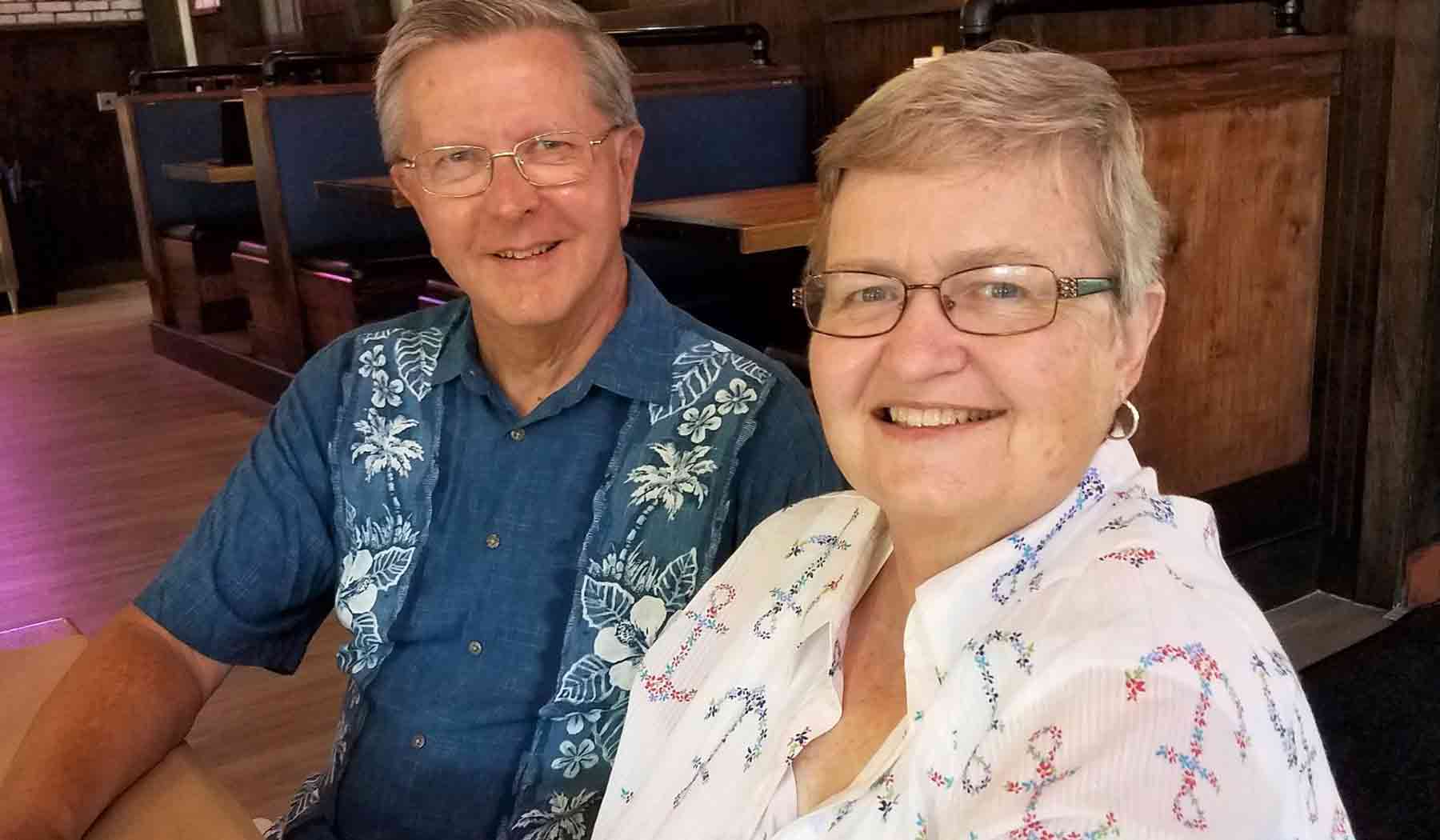
Bob and Sandy Capp–Dedicated Legacy Society Members
As a young soldier from Michigan in 1968, Bob Capp got a helping hand from the American Red Cross. Since then, he and his wife Sandy have paid the favor forward many times over, through decades as volunteers and donors.
The Capps’ first connection to Red Cross came when his parents and then-fiancé Sandy went to Kentucky for Bob’s graduation from Army basic training. That day, they learned Bob’s brother had died suddenly and in less than 6 hours, the Red Cross tracked Bob down, arranged for emergency leave and got him a bus ticket north for the funeral.
The couple reconnected with the organization years later, in 1996, when Red Cross was looking for blood drive sites. Bob and Sandy organized one at his company, launching a 23-year relationship with Red Cross that’s included a wide variety of relief work and unforgettable experiences.
At the Greater Kalamazoo Chapter, Bob served as Vice Chair and Chair of the chapter’s board of directors. The couple continued organizing blood drives and worked together on Disaster Action Teams, delivering emergency aid at the scene of home fires and other disasters.
“Almost all the situations with the Red Cross seem to be with people that are most vulnerable and don’t know what they’re going to do,” Sandy says. “so, it’s nice to be able to help, to have the resources, to guide them to where they go from here.”
“You get even more of a feeling for that when you go on a national disaster and see the massive destruction of a major hurricane or wildfire,” adds Bob. “People just need help.” The couple have pitched in during a number of those big disasters including Hurricane Katrina.
When the Capps moved to Cape Coral, Florida in 2011, they began volunteering with Florida’s Southern Gulf Chapter. They’ve helped prepare the community for hurricanes and deal with tornadoes and floods, as well as supplying drinks and snacks to first responders fighting Florida wildfires. They decided to also join the Legacy Society, providing for the future of the mission by naming Red Cross a beneficiary of a retirement plan.
Bob believes it’s important for the public to understand the commitment it takes to fulfill the Red Cross mission. Disaster volunteers and staff are away from their families for weeks at a time during disasters, often in difficult conditions. Bob continues deploying to national disasters to manage financial records, documenting resources spent and people served because he is so committed to the life saving mission.
The Capps are dedicated to keeping Red Cross a strong, visible presence wherever they live and their beneficiary designation and their tremendous volunteerism definitely make a huge impact.
We are so grateful for our volunteers and extend our gratitude to Pauline Jelinek for volunteering your time to interview the Capps and share their story.
If you would like information about how you can support our mission and help those in need by creating your own legacy like the Capps’ have done, please contact our Gift Planning Office at 1-800-797-8022, ext. 5, giftplanning@redcross.org. or log on to redcrosslegacy.org.
|
|
| |
|
 |
| |
Closing The Financial Gap Between Work Life & Retirement
“Save for a rainy day.” Those were probably the first words of financial planning advice that you learned at an early age. But shouldn’t one save for a rainy or sunny day? “Be charitable.” Those were values that you were taught at home and at school. What if you could be charitable and save for a sunny day, too? The Red Cross can help you do both.
As you approach retirement, you will soon have newfound freedom. These are the “sunny days” you have ahead. It might mean travel, volunteering, leisurely get-togethers with family and friends, more golf, tennis or yoga, or just reading and relaxing. To achieve this freedom, you will be giving up a steady paycheck. However, it’s likely you will continue to need income for those sunny days ahead. The Red Cross can help close the income gap between your work life and retirement.
You can make a gift to the Red Cross now, receive an immediate income tax charitable deduction, and get steady payments of income starting at some future date selected by you. These payments will continue for the rest of your life and a significant portion of your income will be tax-free for a period of time. The payments you receive will be more than the interest you can earn on a bank certificate of deposit or savings account. And every time a payment arrives you will know that your gift is also helping to support the Red Cross.
Here is how this works. You make a gift to the Red Cross for a minimum of $5,000. The amount that will be paid to you is based on your age and the length of the deferral period between when you make the gift and the date payments begin. When you make the gift, the Red Cross will give you a simple written agreement stating the terms of your payments. For example, if you are 60 when you make the gift and you elect to defer the start of your payments until you turn 66, you will receive a payment rate of 6.5% and an annual payment of $325 (you can receive quarterly payments, if you wish). Everyone who will be receiving payments must be at least age 65 before payments can begin.
You also have the option of not choosing a starting date for your payments when you make the gift. In that case, the Red Cross will give you a schedule showing your payment rate and the amount of your payments depending on when you choose to have the payments begin. The longer you postpone the start of your payments, the more generous your payments become. For example, if you are 60 when you make your gift to the Red Cross and continue working until 70 when you elect to start your payments, your rate for the payments will be 8.1% at an annual payment of $405, which will not change. Once you elect to start receiving payments, they will continue for life.
To enjoy your sunny days ahead, you need to know that your income is secure. The payments you will receive from the Red Cross are backed by all of the assets of the Red Cross. The payments are not subject to stock market volatility and can be directly deposited into your checking or savings account. Think of your payments as a way to diversify your retirement income portfolio, while making a gift that supports the work of the Red Cross.
For more information or a personal illustration contact the Gift Planning Office at 1-800-797-8022, ext. 5, giftplanning@redcross.org.
|
|
| |
|
 |
| |
Donating Property Properly
Real estate comes in many forms. There are residential properties such as houses, condominium units, vacation places, and apartment buildings. Examples of commercial real estate would be warehouses, individual restaurants or stores, and multiple-business properties such as strip malls. Then, of course, there’s good old land, whether held for farming, for benefiting from natural resources, or for eventual development.
Likewise, there are many ways you can use real estate to provide support for the Red Cross. Here are some of the possibilities:
- By means of an outright transfer
- Through a bargain sale
- As an asset used to fund a charitable remainder trust
- With respect to a retained life estate arrangement involving your own personal residence or farm
Moreover, each of the options listed above can be implemented either currently or after your lifetime.
Gifts made during lifetime in particular offer several advantages. First, they feature income tax deductions based on the property’s fair market value, as determined by an appraisal that meets IRS requirements. Next, capital gains tax that would be owed if you sold the property is reduced, delayed, or sometimes even avoided entirely. This can be especially important when part of the gain would be attributable to depreciation claimed in years past. Third, your gift can help the Red Cross right away, either by producing money we can devote to our mission now or by improving our financial position as we plan for the future.
As you might imagine, with an asset as valuable as real estate, care must be taken in structuring any sort of charitable gift. This means that the Red Cross (or the trustee of a trust created by you) will need to be satisfied with the property’s physical, financial, and legal characteristics. Potential items to be addressed might include environmental issues, the existence of a mortgage, or the manner in which the real estate is titled.
Whether it’s due to market conditions, personal lifestyle considerations, or other reasons, if “the time has come” to make some disposition of a property you own, think about using the property–or perhaps just a portion of it–to make a truly meaningful gift to the Red Cross. We would be pleased to work with you and your advisors to focus on the details and help you pursue the best course.
For information on tax-wise charitable giving contact the Gift Planning Office at 1-800-797-8022, ext. 5, or at giftplanning@redcross.org.
|
|
| |
|
 |
| |
Estate Planning–Where to start, and why
“Because I said so.” We’ve likely all heard it or said it in response to the question “why?” But it’s not a particularly motivating reason to do something. Perhaps that’s why more than half of people do not have a will or other estate planning documents in place…they hear that they should, but aren’t sure why. Answering that question is really the starting place.
To answer “why”, let’s consider some other questions:
- What happens if you are incapacitated and unable to handle financial or health decisions? Who would you want to make decisions for you? While we may think of this as a decision that can be delayed until late in life, illness or injury can result in incapacity at any age.
- If you have young children, who do you want to serve as guardian if something happens to both parents? Think of the difficulty in leaving this for surviving family to decide at a time of mourning. What if there is disagreement among the family as to what is best for the child(ren), and it is left up to the courts to decide. Or perhaps you think the best people to raise your child(ren) are close friends, rather than family, but no one else knows.
- Do you have children from a prior marriage? Stepchildren you haven’t adopted? A sibling you’re helping to support? Do you want to provide directly for your grandchildren? These are some of the circumstances where how you want to distribute your assets at death might differ from what would happen if you die without any plan in place.
- Are there things you own that you want to go to a specific person? Maybe your stamp collection, the decorative plate hanging in your kitchen, or the memento from the family cross-country trip that makes everybody smile? While sometimes the value of such items is monetary, often it is purely sentimental, and they are frequently the most contested items in an estate.
- Do you have organizations that you support and want to remember in your plans? Including a gift to causes you care about in your estate plans will ensure your support continues in the years to come.
So why should everyone take time to create an estate plan? Because each person’s situation is unique, with specific concerns and priorities. And the place to get started is to consider what those are, and then begin the discussion with your attorney on how to address them in your plan.
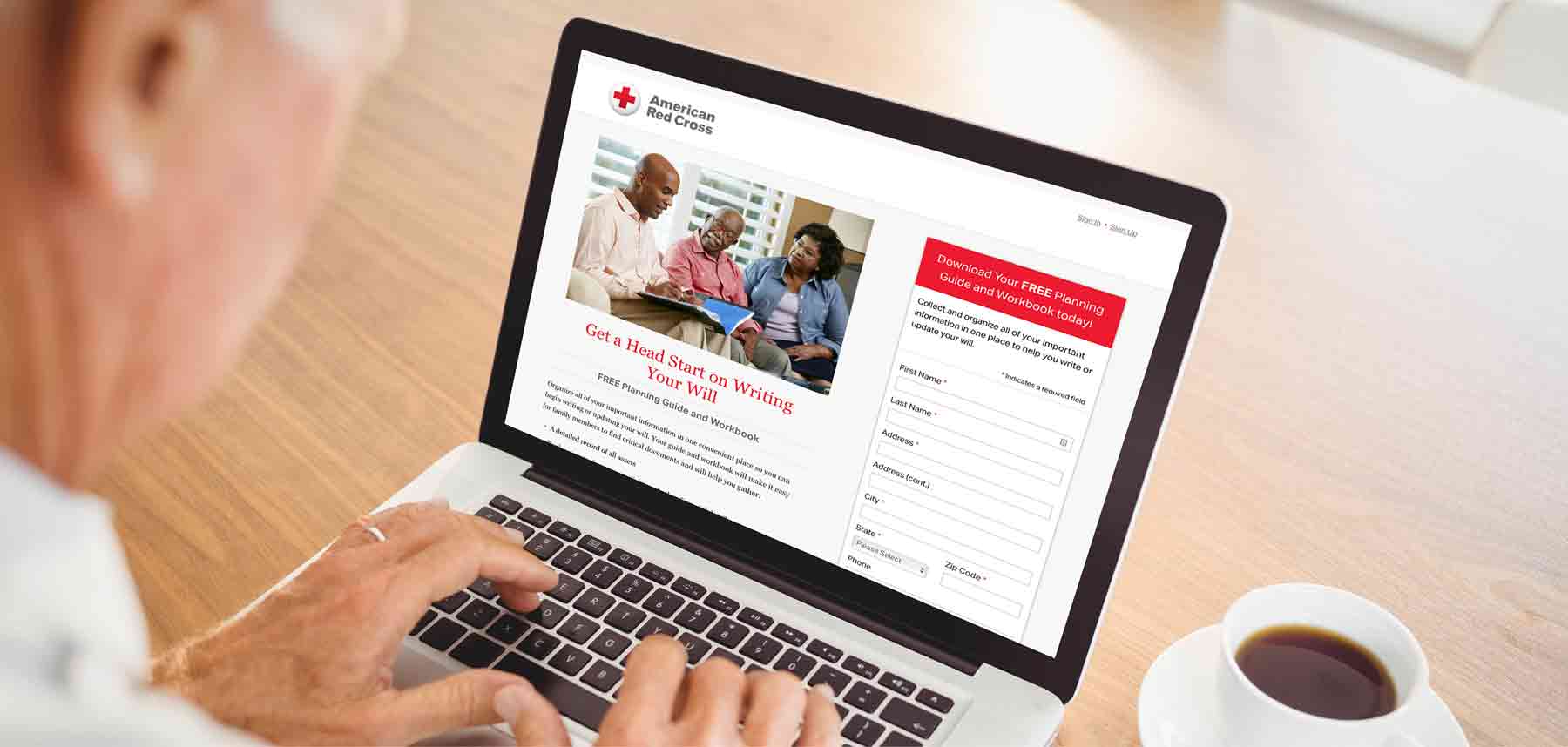
The Red Cross has a resource to help you prepare to get a will or living trust written or updated. This easy-to-use guide— is helpful for organizing your assets and information, making key decisions before meeting with an estate planning attorney, and sharing your wishes with those you love. It’s a powerful tool for creating final arrangements that reflect your values and honor the causes you care about. Request or download a free copy today, visit redcrosslegacy.org/planningbook.
|
|
| |
| |
|
|