| |
I hope you are enjoying your Summer while continuing to stay safe. I am pleased to share the latest issue of Legacy News. Now that the extended federal tax deadline of July 15 th has passed, we hope you will find the articles helpful in your charitable planning for 2020.
Learn about tax-wise planning strategies and possible gifting opportunities that allow you to make a meaningful charitable gift while potentially enhancing your own, and your family’s future financial well-being.
See why supporters like Richard Ong joined the Legacy Society. And if you have a personal Red Cross story, we hope you will share it!
Rebecca Locke
Executive Director, Gift Planning
American Red Cross
|
| |
|
 |
| |
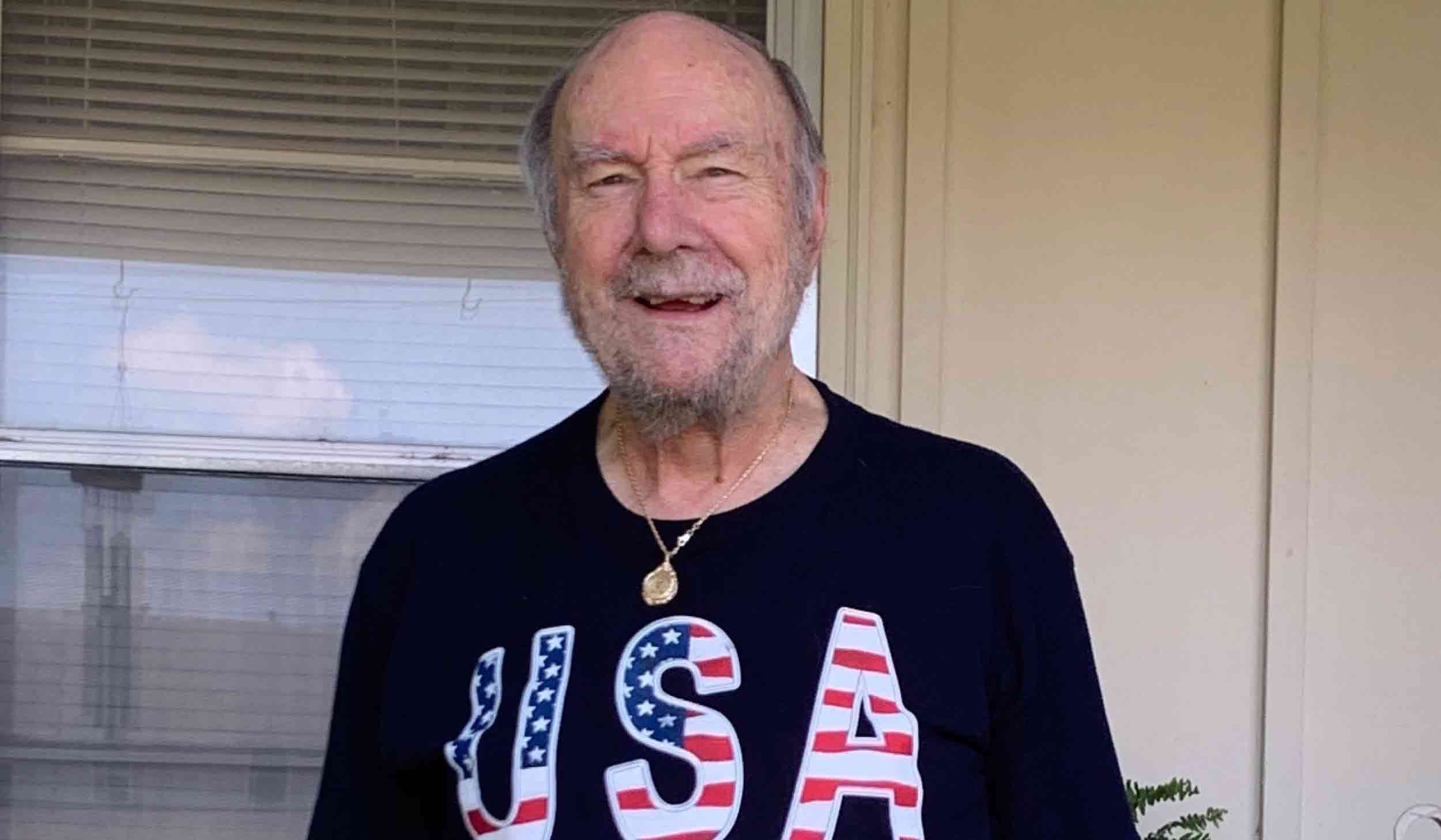
Richard Ong–Dedicated Legacy Society Member
It should come as no surprise that Richard decided to become a member of the Red Cross Legacy Society. His desire to help others is a key part of a man who has truly led a varied and interesting life. Richard said he got the idea of becoming a Red Cross Legacy Society member after seeing what others have done. “ Red Cross does excellent work for the Greater Kansas City area and the country as a whole,” Richard said, adding that his Legacy is unrestricted and can be used “as they see fit.”
Richard has a long history of career positions where helping others is central to their core mission. Immediately after graduating from Rockhurst University and then graduate school at Georgetown University to study political science, he became an assistant to the founder of Union Now, an organization that sought to bring about a federal union of the NATO countries in Europe.
Next, Richard became assistant district scout executive for the National Council of the Boy Scouts of America in Montgomery County, Maryland, where he led the Council in the establishment of new scouting units and volunteer recruitment.
Richard returned to his hometown, Kansas City, and became an independent life insurance consultant in 1965 and later a certified life underwriter. After many professional honors, he retired in 1998 and manages his legacy to benefit charities and beneficial organization in Kansas City and around the world.
But retirement doesn’t mean Richard has been idle at the home he shares with his three cats and six kittens who keep him amused and entertained. He enjoys exercising his mind by working the newspaper’s daily Sudoku and crossword puzzles. He has taught classes for children at Operation Breakthrough. Richard also stays busy with his writing, three books so far.
We are so grateful for our Legacy Society members. Because of Richard and other thoughtful and generous people like him, the Red Cross will be able to continue its mission of helping others in times of need.
If you would like information about how you can support our mission and help those in need by creating your own legacy like Richard Ong has done, please contact our Gift Planning Office at, 1-800-797-8022, ext. 5, giftplanning@redcross.org.
|
|
| |
|
 |
| |
Giving to Get: Life Income Gifts
“You have to give some to get some.” Whether it was your mother’s wise counsel or your own life experience, this old saying affirms the importance of reciprocity: we must be willing to give a little of ourselves in order to experience the full richness of life. A “life income gift” is a way of giving and getting. With a life income gift, when you give to the American Red Cross you get a lifetime income in return. Depending upon the plan you choose, the amount of income can be fixed or variable and can be paid to you and/or others you choose.
Here are two examples of life income gifts that might be interesting to you:
Charitable Gift Annuity
In exchange for your contribution, the Red Cross promises to pay you a certain amount of money each year. The amount we can pay you depends upon your age at the time of the gift but does not change for the rest of your lifetime.
For example, Alan, who is age 78, was surprised when his bank notified him that his $10,000 certificate of deposit would be renewing at a rate of just 1%. After consulting with his advisors, Alan chose to contribute the money to the Red Cross in exchange for a charitable gift annuity. Based upon his age, the annuity will pay him 6% for life, most of it tax-free for the first ten years.
Charitable Remainder Unitrust
A charitable remainder unitrust pays you a certain percentage each year and, at the end of your lifetime, distributes whatever is left to the Red Cross. These trusts work particularly well with gifts of securities, real estate, or other property that has increased in value because the trust pays no capital gains tax when it sells the contributed property.
For example, Tami, who is age 76, has shares of stock now worth $200,000 which cost her $50,000 several years ago. Although the stock has increased in value, it pays a modest dividend of only $4,000 per year. Tami is concerned about the capital gains tax she would pay if she sold the stock. Instead, working with her advisors, Tami contributes the stock to a charitable remainder unitrust paying her 5% of the trust value each year. In the first year her trust will pay her $10,000. In addition, she will enjoy an income tax deduction of more than $122,000 for her contribution to the trust.
For more information or a personal illustration contact the Gift Planning Office at 1-800-797-8022, ext. 5, giftplanning@redcross.org.
|
|
| |
|
 |
| |
Charitable Gifts Come in All Shapes and Sizes
When you’re thinking about your estate plan sometimes you can feel a little like Goldilocks, so many choices but each one seems either too hot or too cold. Fortunately, it’s easy to make sure your bequest gift to American Red Cross is just right for you and your family. A gift in your will, trust, or by beneficiary designation can take many shapes and can be any size. What matters is that your gift fits you and your unique family and financial circumstances.
Any Shape
With a charitable bequest you can specify an amount of money or a certain percentage of your estate, retirement plan, or life insurance (just to name a few examples). You may also choose to leave specific property, such as a stamp collection or a piece of real estate. If you prefer, you can specify that your gift to the Red Cross is made only after all of your other bequests are complete. Or, if you are uncertain, you can even make your bequest gifts contingent on certain events occurring (or not occurring).
Any Size
Sometimes people think bequest gifts have to be very large or that they must be rich to make one. Nothing could be further from the truth! The Red Cross has received bequest gifts of all sizes. Every gift is greatly appreciated and allows us to help people in need every single day. Every gift of any size makes a difference! What matters is that you pick the size that works for you and for your family.
If You Would Like to Remember the Red Cross in Your Will
Gifts can be designated to the American National Red Cross, local Red Cross Chapter, and/or specific line of service. The Red Cross honors a donor's stated intent for the use of a gift. We welcome you to contact us for specific language that will meet your needs and ensure that your wishes are properly understood.
We can help
For information on any of these charitable giving options contact the Gift Planning Office at 1-800-797-8022, ext. 5, giftplanning@redcross.org.
|
|
| |
|
 |
| |
Putting Your Savings Bonds to Work
If you own any of the numerous types of savings bonds sold by the U.S. Treasury over the decades, you may want to ask yourself whether they continue to serve the purpose you had in mind when you bought them. Particularly because many older savings bonds no longer pay or accrue interest, you may want to consider whether the time has come to redeem some of them.
Of course, before you take any action, you’ll need to understand the tax implications of a redemption. Some types of bonds, for example Series HH and H, feature interest that is taxed each year. There is no income tax when you redeem these bonds because you paid tax each year while you owned them. Other types, such as Series EE and E bonds, feature interest that accrues each year, but is not taxed until you redeem the bond. You will owe income tax when you redeem these.
Fortunately, the Treasury Department’s website treasurydirect.gov/BC/SBCPrice enables you to calculate the value and taxable portion of savings bonds. Simply enter the information for each of your savings bonds and find the current redemption value and taxable portion.
Although there is no tax benefit from transferring savings bonds directly to the American Red Cross, you may wish to donate some of the cash you’ll have upon redeeming your bonds. Perhaps you’ve forgotten you even owned some of your bonds and redeeming them can be an unexpected windfall that puts you in a position to make a special gift in support our work. In addition, your cash contribution is tax deductible, which can help offset the tax on interest that became taxable upon redemption.
Or, you might think about a life income arrangement such as a charitable gift annuity. Although only part of what you contribute will be tax deductible, it can help reduce the tax on your savings bond interest. You’ll also have the security of receiving a stream of payments that will last for the rest of your life.
Finally, keep in mind that unredeemed savings bonds with untaxed interest are great assets to leave to the Red Cross through your Will. A provision in your Will can pass the savings bonds directly to the Red Cross and none of the interest will be taxable to your estate, to your heirs or to us.
For information on using savings bonds to make a gift, contact the Gift Planning Office at 1-800-797-8022, ext. 5 giftplanning@redcross.org.
|
|
| |
| |
|
|